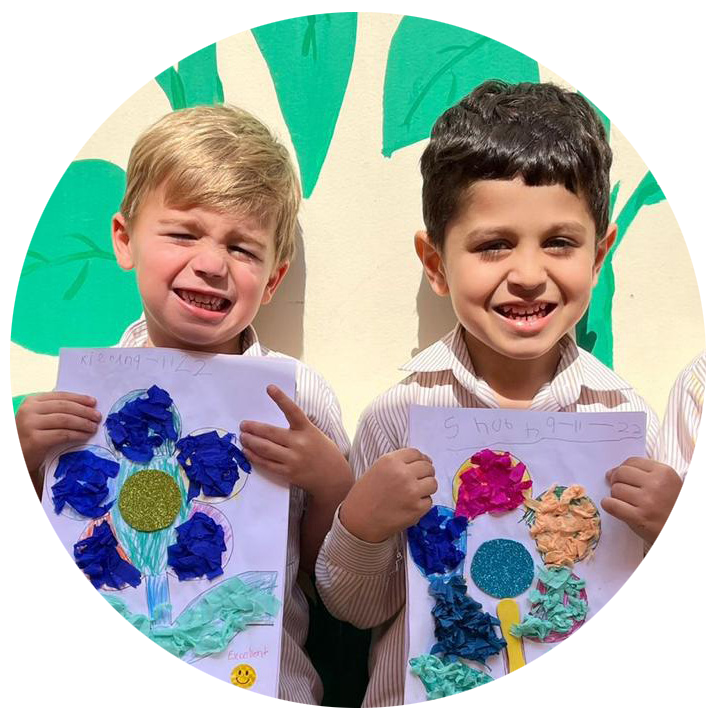
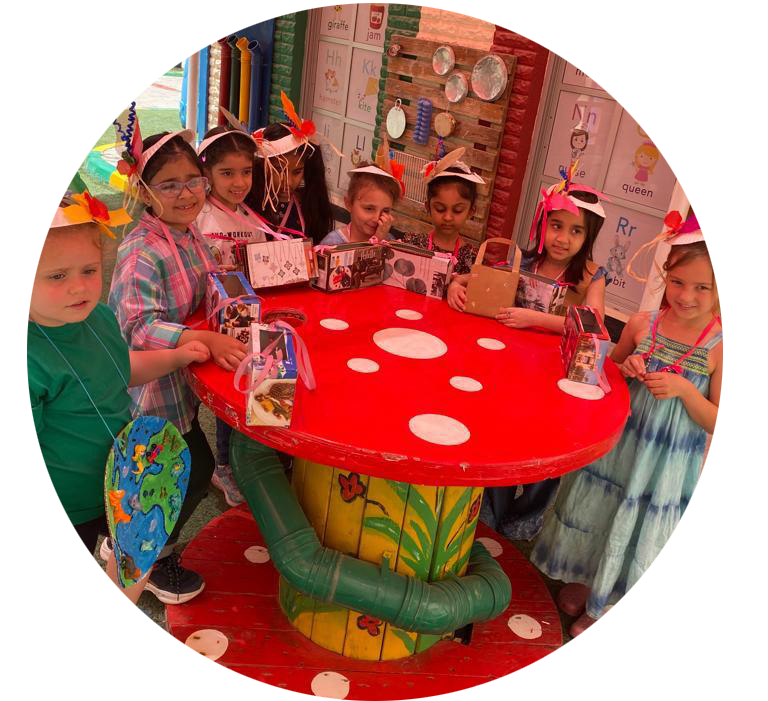
Year 1 marks a transition to more structured learning while maintaining an engaging and interactive approach to education. The curriculum expands subject-specific knowledge and skills, encouraging children to explore and develop their understanding of various concepts. The goal remains to build a strong academic foundation while nurturing a love for learning and exploration.
British Curriculum Year 1 in Bahrain
A child entering Year 1 has usually spent two years building the foundations introduced in Nursery and Reception. This stage carries that groundwork forward through a more structured approach to learning, without losing the sense of exploration that defined the earlier years. For children aged 5 to 6, a Year 1 schools in Bahrain following the British Curriculum introduces clearer academic routines while still allowing each child to develop at their own pace.
At Kidsworld, lessons become more focused on specific subjects while still encouraging curiosity and understanding rather than relying on rote learning. For parents considering Year 1 education in Bahrain, knowing what children learn and do in class can help them choose a school where their child feels comfortable, supported, and confident.
What Do Children Learn in Year 1?
A typical Year 1 British Curriculum in Bahrain covers English, mathematics, science, humanities, creative arts, physical education, and personal and social development. Each subject is built on the skills a child has already acquired in Reception, now at a faster pace and with more depth expected. Most classrooms blend these areas across the week rather than treating them as separate blocks, giving children several angles on the same underlying skill.
English and Early Literacy Skills
Phonics still anchors English lessons early in the year, though reading fluency is the main focus once children grow comfortable recognising words by sight. Vocabulary grows in parallel, and sentence formation becomes more consistent, with children moving away from disconnected word strings toward writing that actually reads as a sentence. Spelling and punctuation enter the picture at an age-appropriate level, setting up the more independent writing children take on in later years.
Mathematics and Numeracy Development
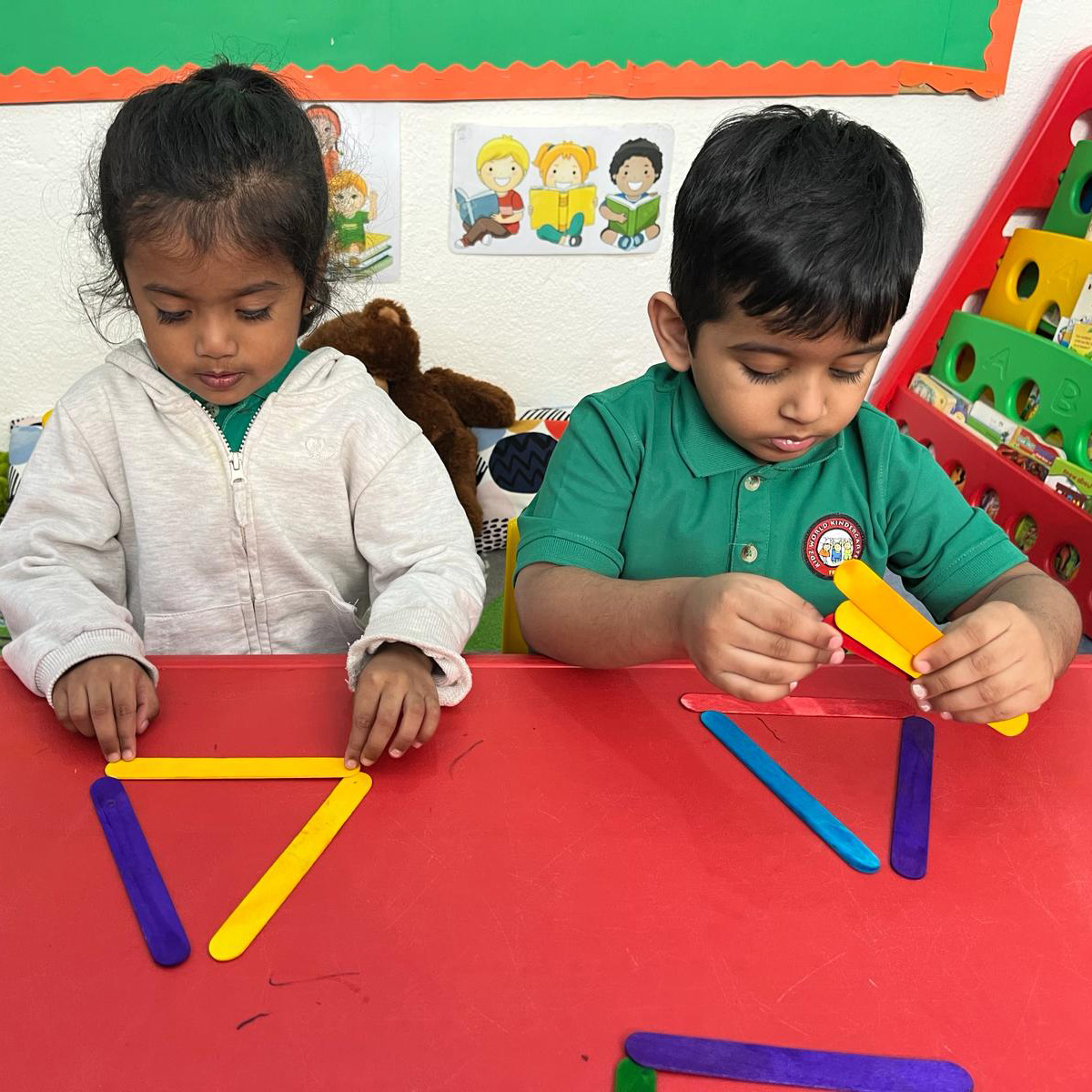
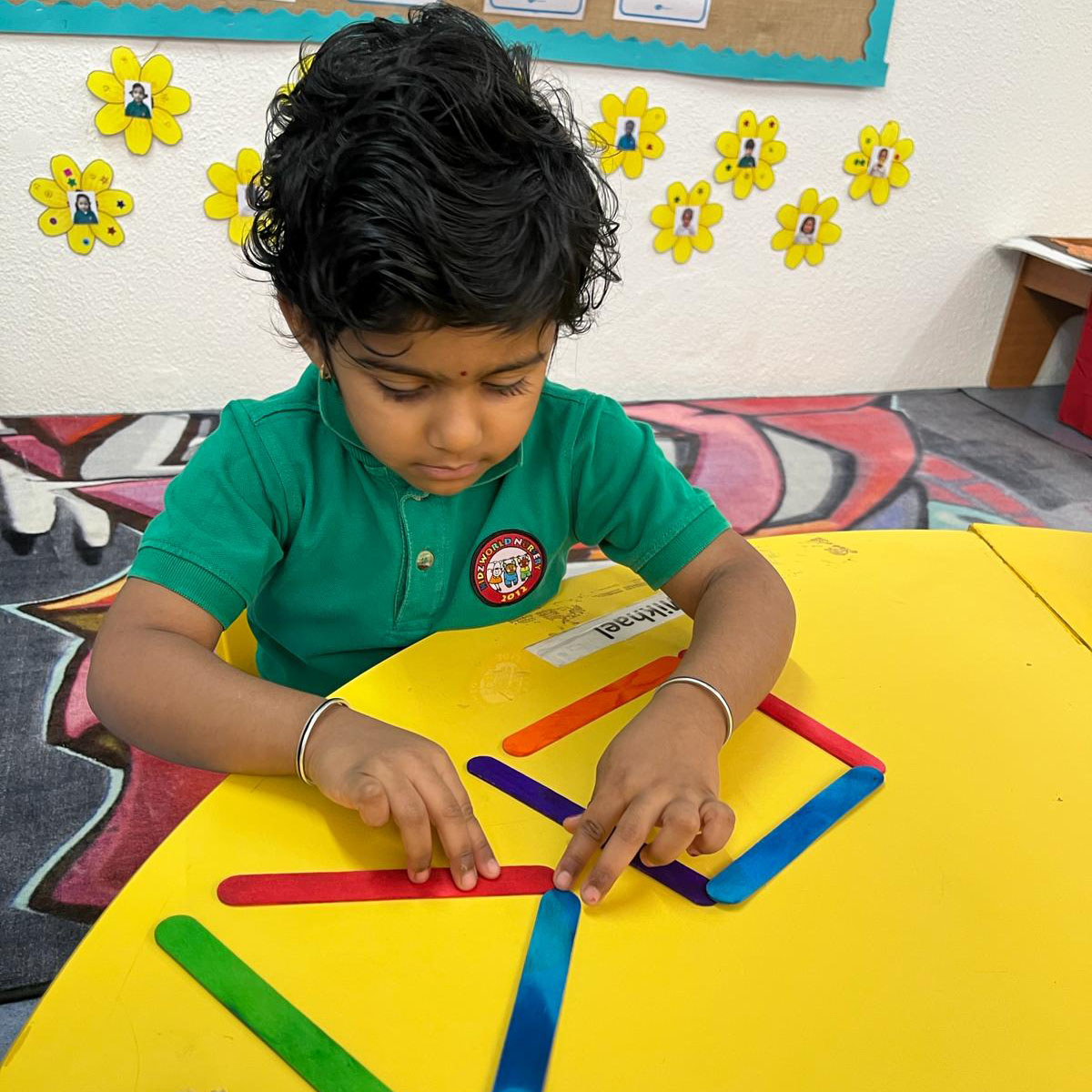
Number recognition comes first in Year 1 maths, followed by addition, subtraction, and an early grasp of place value. Shapes and measurement give children a physical, hands-on way to work with numbers rather than treating maths as pure calculation on paper. Problem-solving tasks run through most of this, aimed less at memorising number facts and more at building genuine confidence handling numbers in different contexts.
Science and Exploring the World
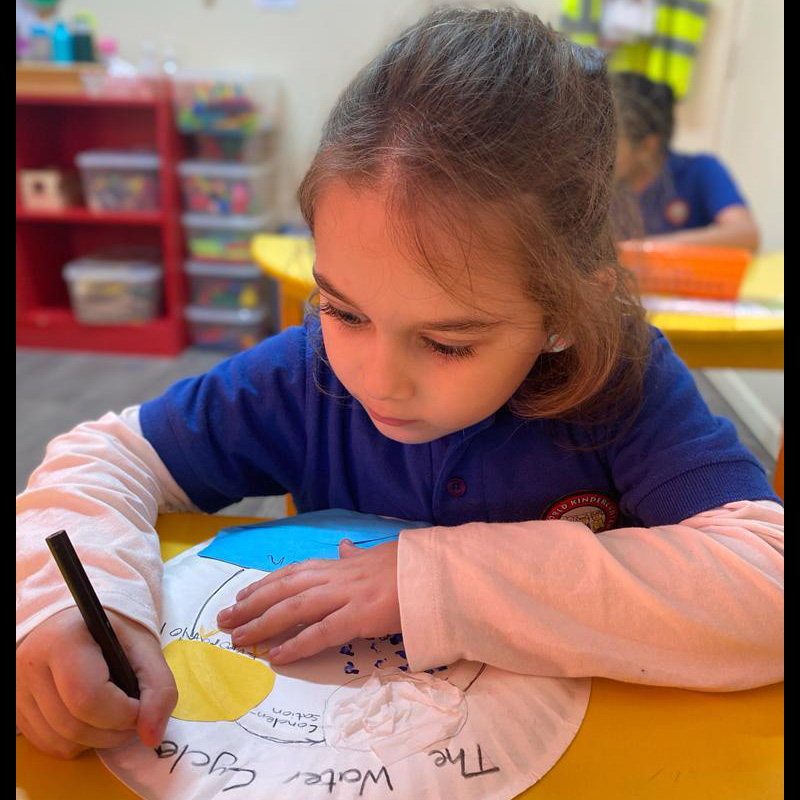
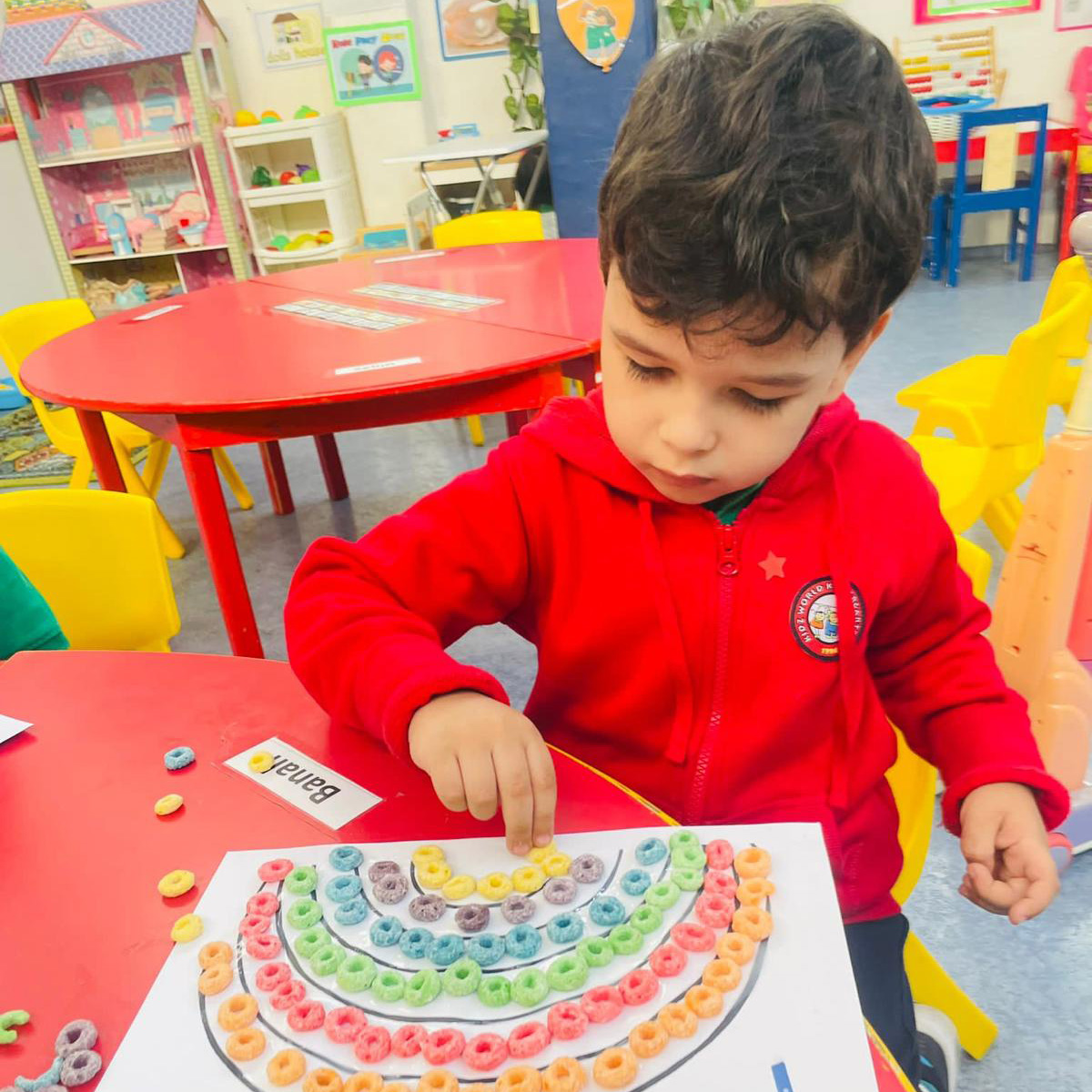
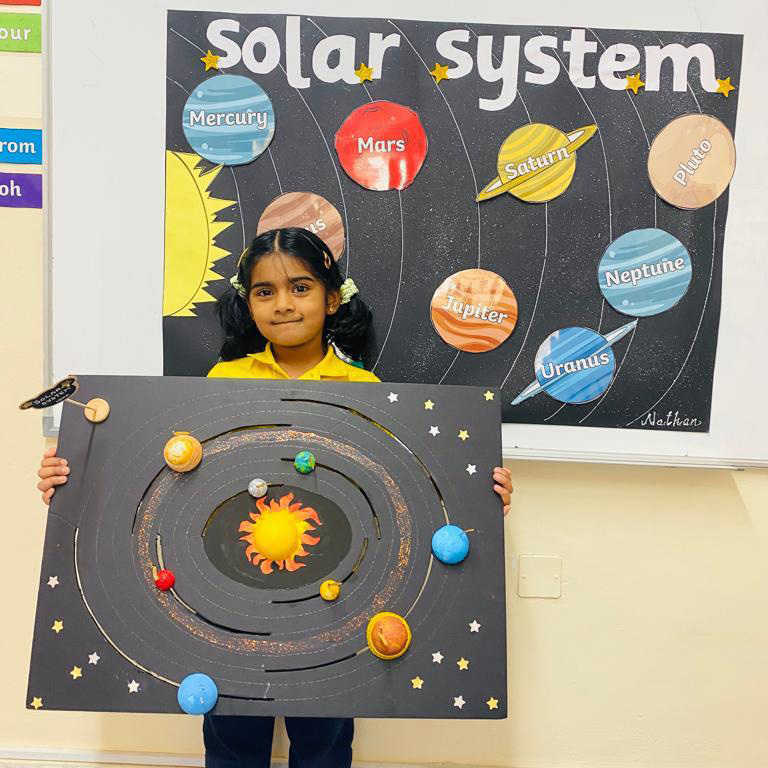
Observation drives most Year 1 science, well ahead of anything resembling a textbook lesson. Children run simple experiments as an early introduction to scientific enquiry, and nature studies bring in living things, materials, and everyday phenomena a five- or six-year-old can actually relate to. A hands-on approach like this tends to hold a young child’s attention in a way abstract explanation rarely manages.
Developing Important Skills in Year 1
Academic content is only half of what Year 1 sets out to build. Communication, teamwork, problem-solving, creativity, independence, confidence, and emotional resilience develop just as actively, often through the very same activities used to teach English or mathematics. For a child’s longer-term readiness, these skills frequently matter as much as the subject knowledge itself.
Social and Emotional Development
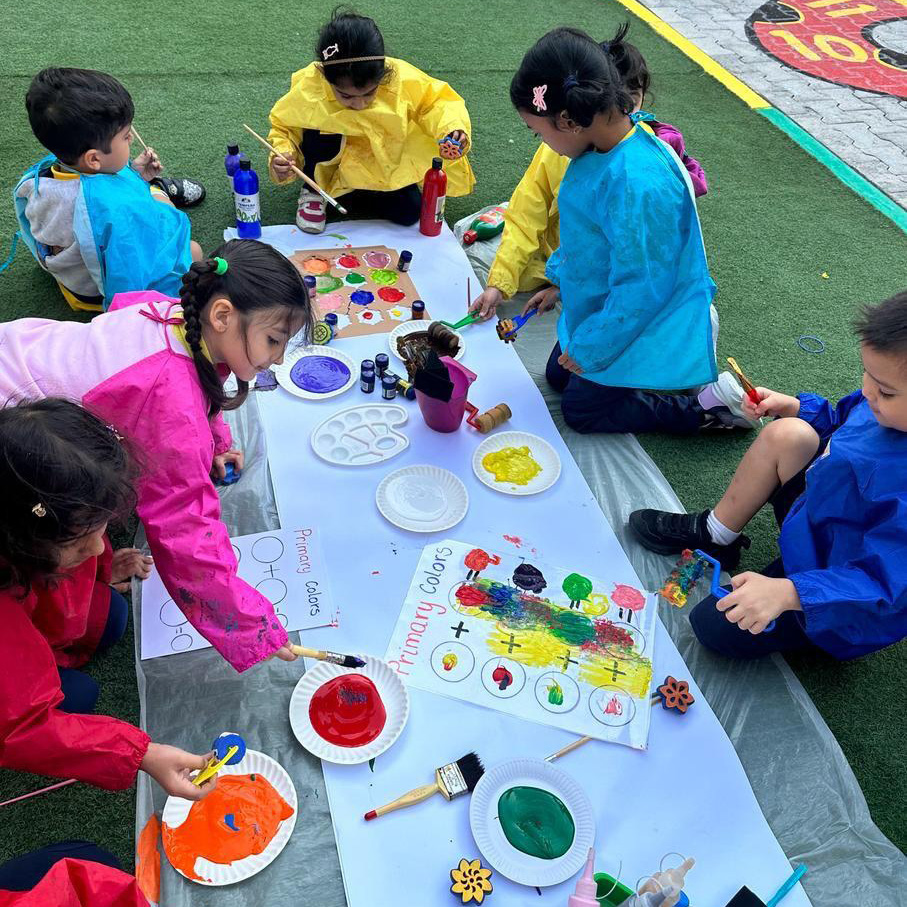
Group work gives children regular, low-stakes practice at talking to peers, sharing a task, and working through the small frustrations that come with collaboration. Friendships tend to form naturally out of this, and children grow steadily more comfortable expressing themselves and working without constant supervision. Emotional development gets equal importance here, since a child who can handle frustration or disappointment settles into structured learning far more easily than one who hasn’t had that practice yet.
Creativity and Physical Development
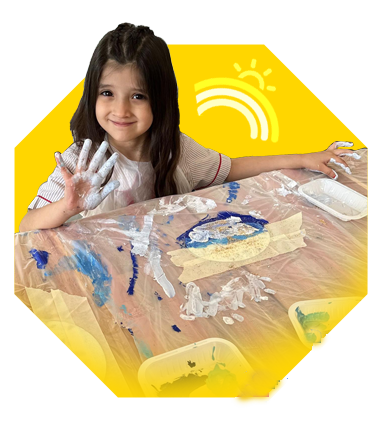
Art, music, drama, and dance each give children a different outlet for creative expression, and each builds coordination and confidence in its own way. Physical education and outdoor activities help children develop fitness and coordination, which also supports better concentration in class. Creative subjects are also part of the learning tasks in Year 1, helping children build focus and problem-solving skills in different ways.
Preparing Children for Primary School
Year 1 functions as a bridge into what primary education actually expects of children, gradually introducing more structured lessons and steadier classroom routines. Independent tasks continue from Reception, while Year 1 gives children more opportunities to complete activities with increasing confidence and responsibility rather than constant guidance from a teacher.
Responsibility grows in small steps as well, whether that means keeping track of personal belongings, following the teacher’s instructions accurately, or staying focused through a longer stretch of lesson time without losing concentration. Group activities and shared classroom routines also give children early practice adapting to expectations that will carry directly into primary school, from listening carefully to working with classmates on a common task. Most children leave Year 1 with a considerably clearer sense of what a structured school day involves, and that alone tends to smooth the transition into the years ahead, reducing the adjustment a new school routine usually demands.
Why Choose Kidsworld Kindergarten for Year 1 in Bahrain?
Kidsworld Kindergarten has operated in Adliya since 1996, and its Year 1 programme reflects that history through a British Curriculum built around genuine engagement rather than rigid academic pressure. Teachers here bring direct classroom experience with this age group, understanding both what the curriculum requires and what keeps the kindergartener interested throughout a full school day.
Lessons become interactive, drawing on specialist subjects such as Art, Music, PE, Science, and Modern Languages in addition to the core academic areas covered throughout the week. Class sizes and daily routines are structured to give teachers real visibility into each child’s progress, rather than leaving individual development to chance within a larger group. This combination, structured learning paired with close attention to personal development, reflects Kidsworld’s broader view of a child’s growth during these formative early years.
Enrol Your Child for Year 1 at Kidsworld Kindergarten
Families exploring a Year 1 school in Bahrain are welcome to visit us at our Kindergarten in Bahrain to learn more about the programme. Visiting in person remains one of the best ways to get a real sense of the classroom and speak directly with the teaching staff.
Enquire today, or begin the registration process for your child’s place in Year 1 at Kidsworld Kindergarten.